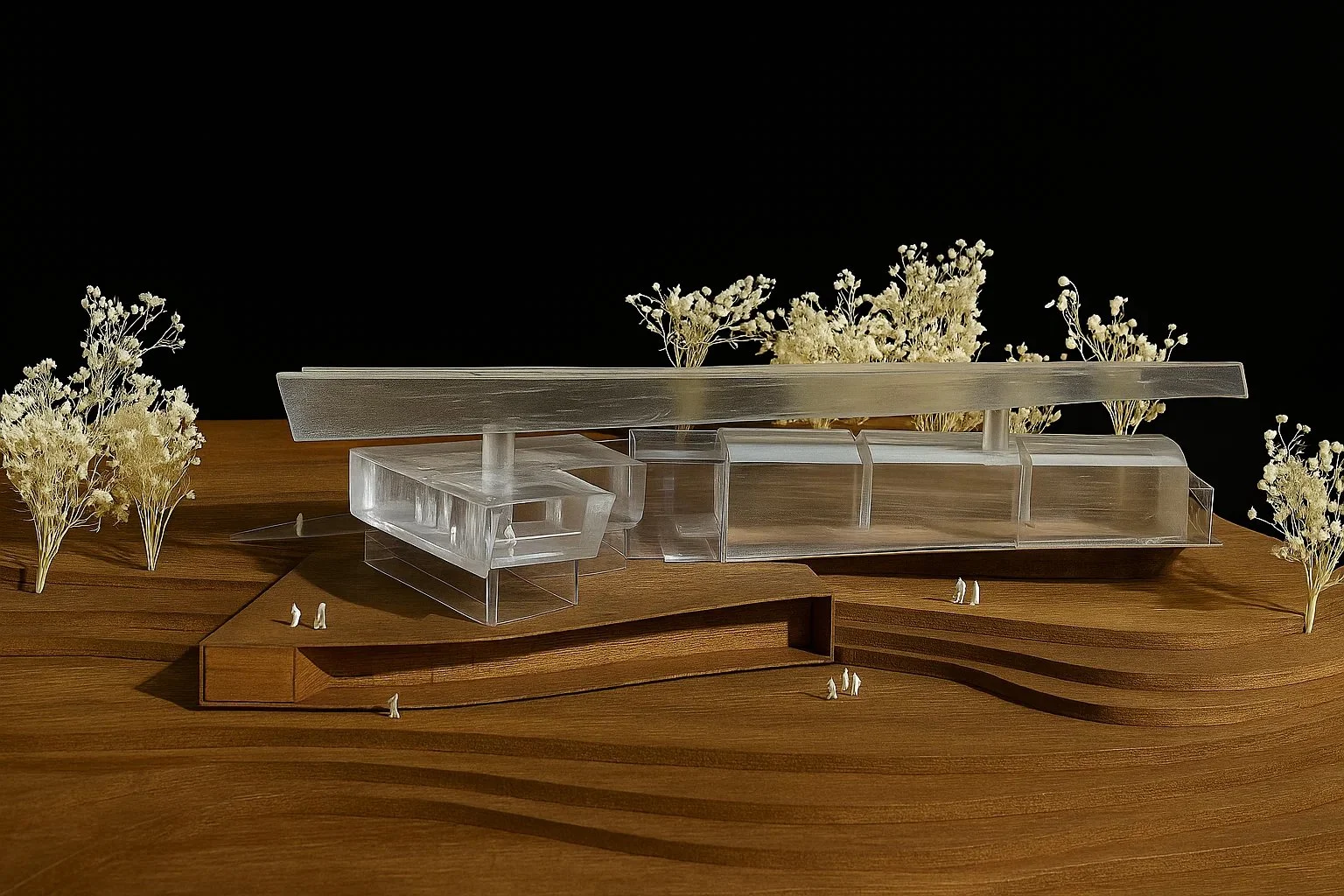
Olana Museum & Visitor Center
RAMMΣLLZΣΣ: Racing for Thunder was a two-floor retrospective at Red Bull Arts New York, celebrating one of the most uncompromising voices in late 20th-century art. StudioSTIGSGAARD was tasked with creating an environment that could hold the sheer force of Rammellzee’s imagination — a space at once immersive and legible, theatrical yet respectful. Paintings, sculptures, videos, drawings, and ephemera unfolded within a charged architecture that echoed the artist’s own cosmology. More than a retrospective, it became an encounter with a world in perpetual battle against convention, language, and time itself.
Project Size
24,000sf
Location
Hudson, NY
Lead Design
W/ Voorsanger Architects
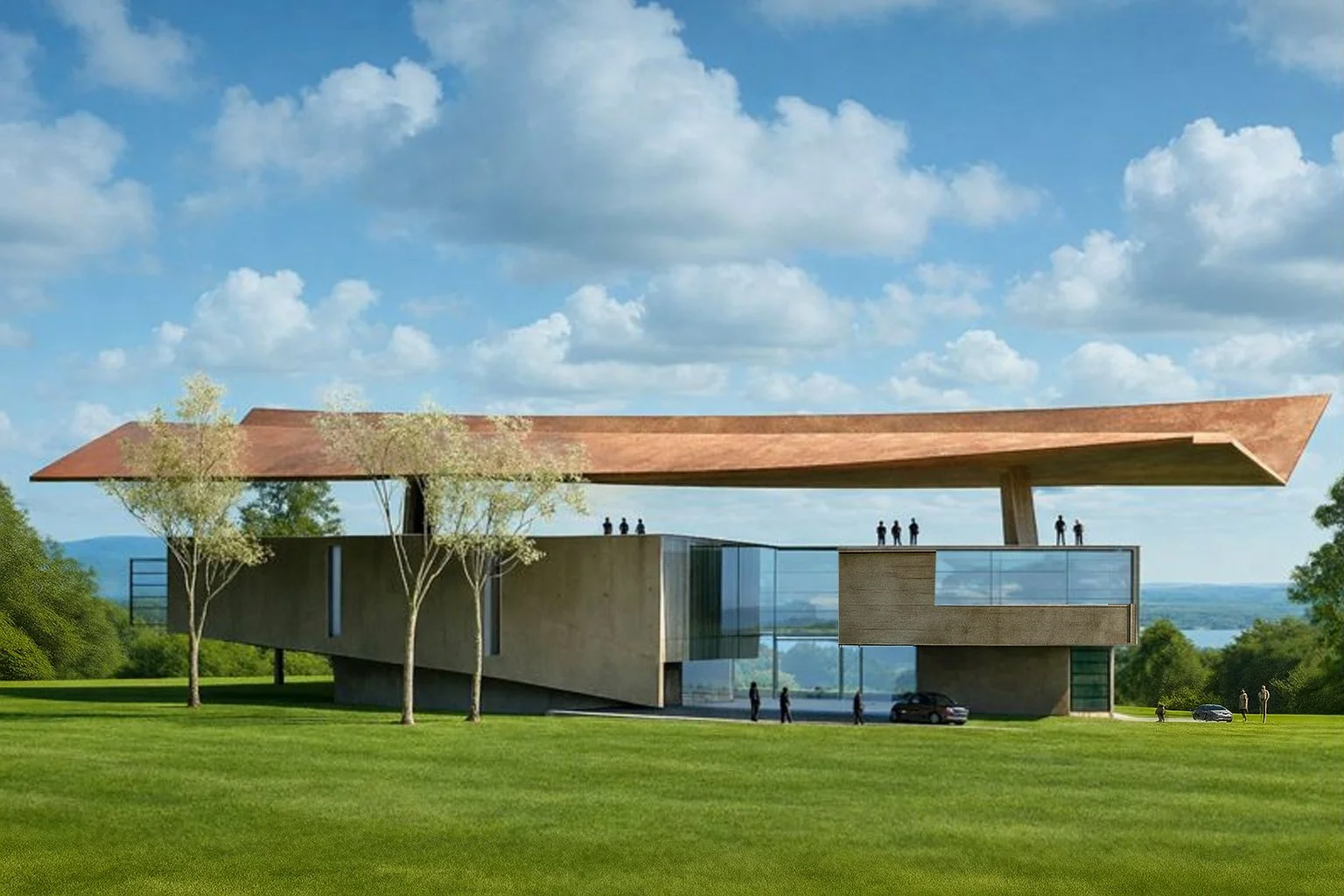
Olana: A Total Work of Art in the Hudson Valley
Olana State Historic Site—the Persian-inspired home of Frederic Edwin Church (1826–1900)—is widely regarded as one of the most important artistic residences in the United States. Located in Hudson, New York, Olana functioned simultaneously as Church’s home, studio, working farm, and culminating artistic masterpiece. Conceived as a total work of art, the estate fuses architecture, interior design, collections, and a carefully composed landscape into a singular vision that embodies the ideals of the Hudson River School. Today, Olana is a celebrated and highly visited landmark, engaging broad audiences through its art collection, historic architecture, and expansive cultural landscape overlooking the Hudson River.
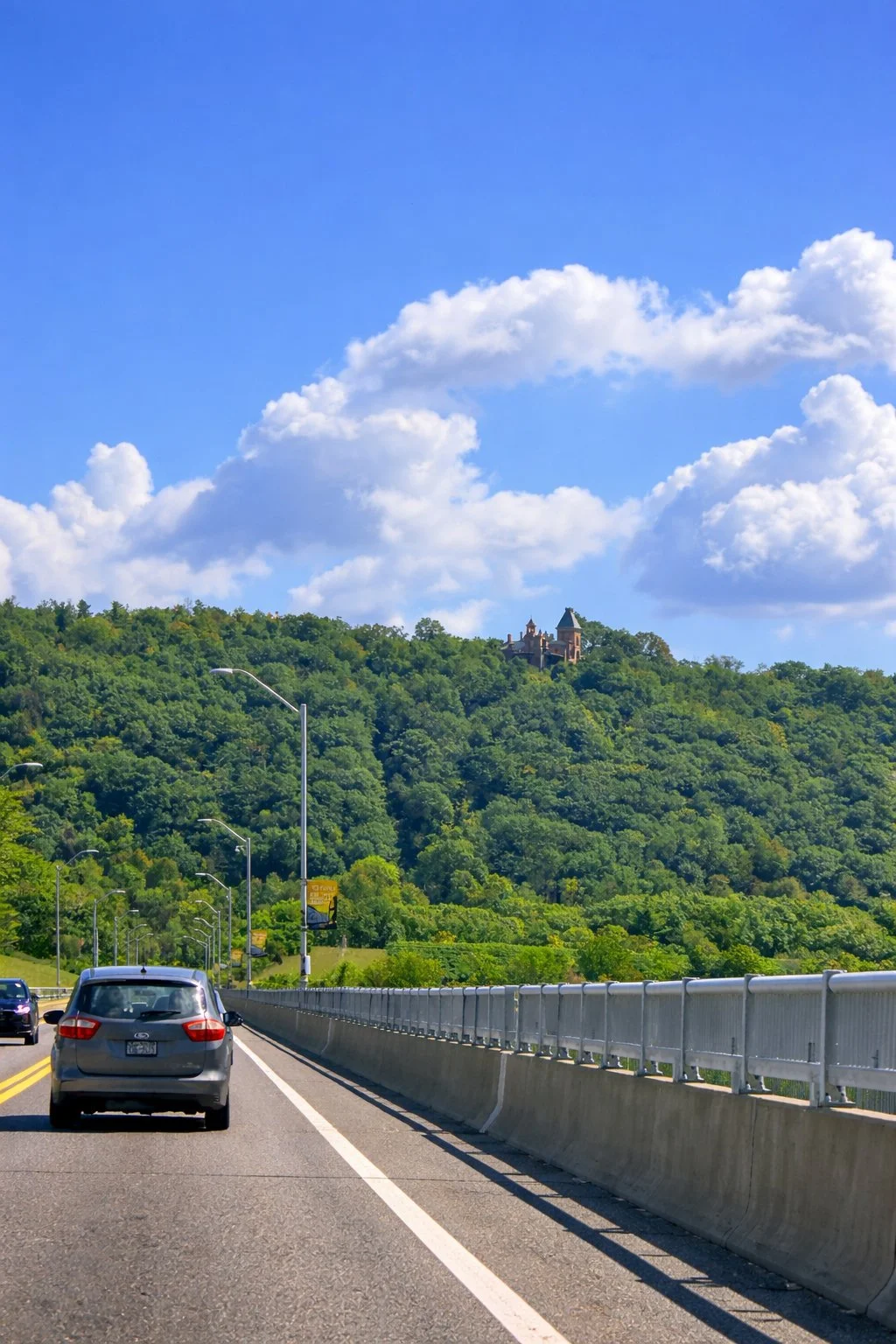

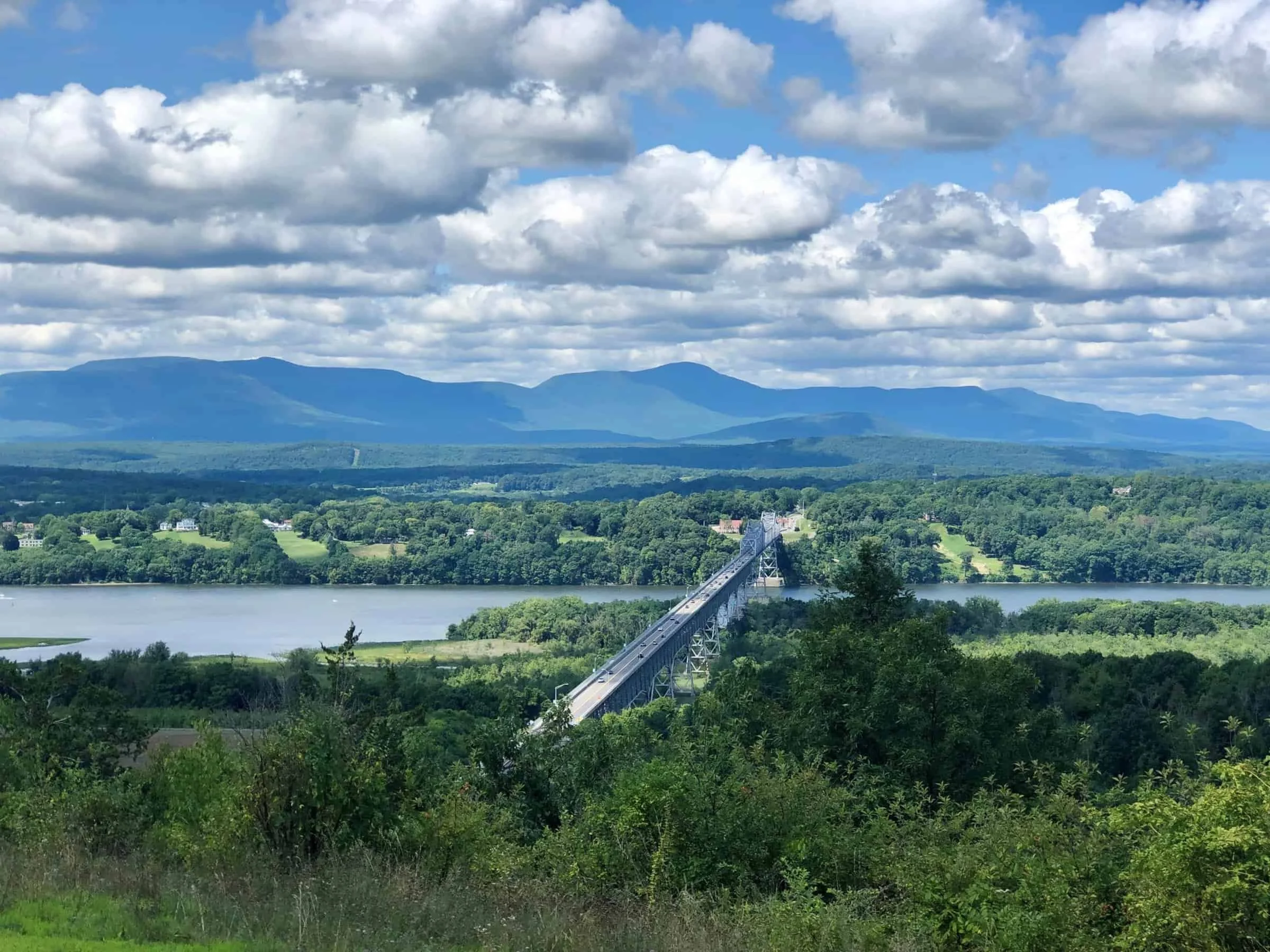
A Visitor Center Rooted in Landscape and Legacy
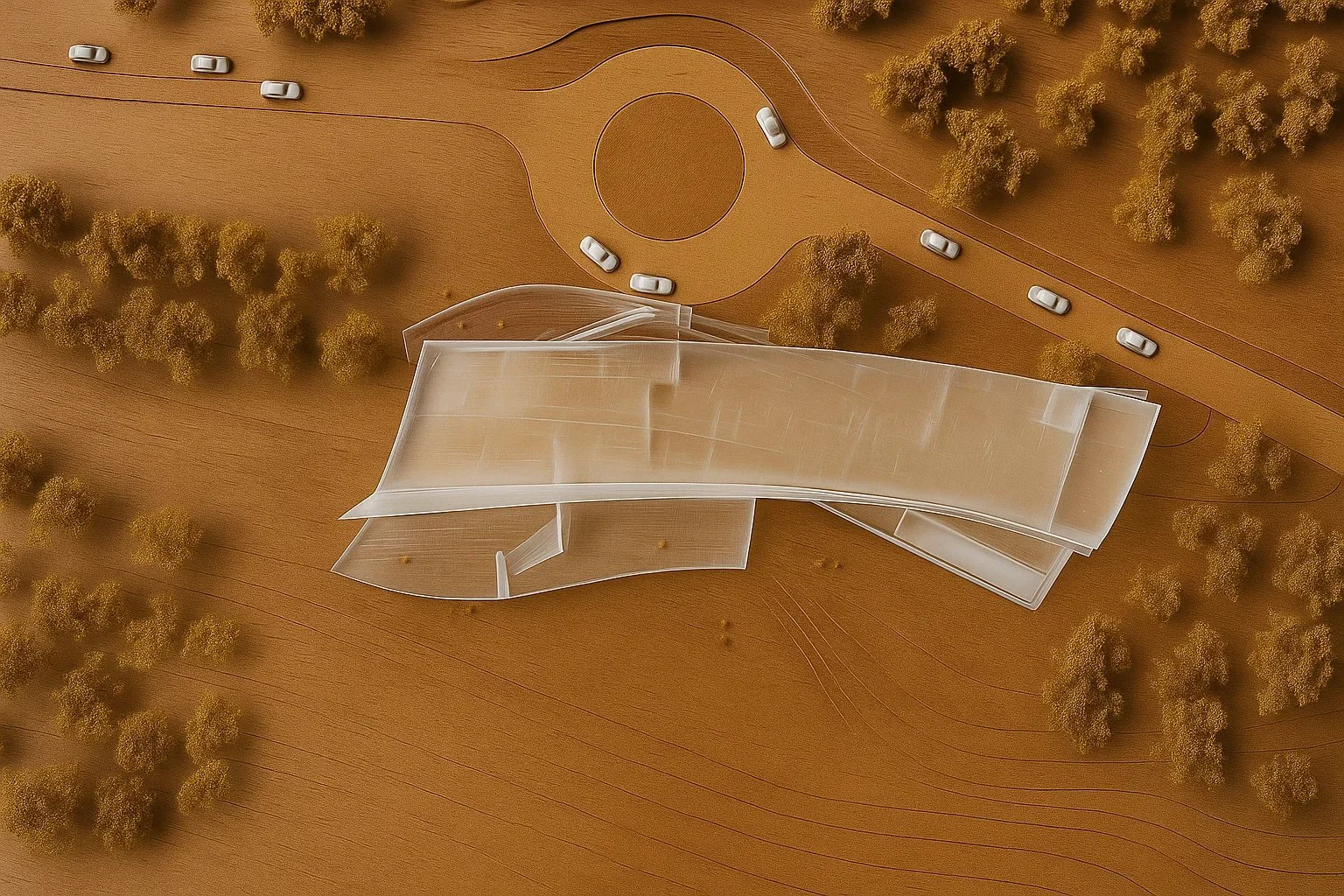
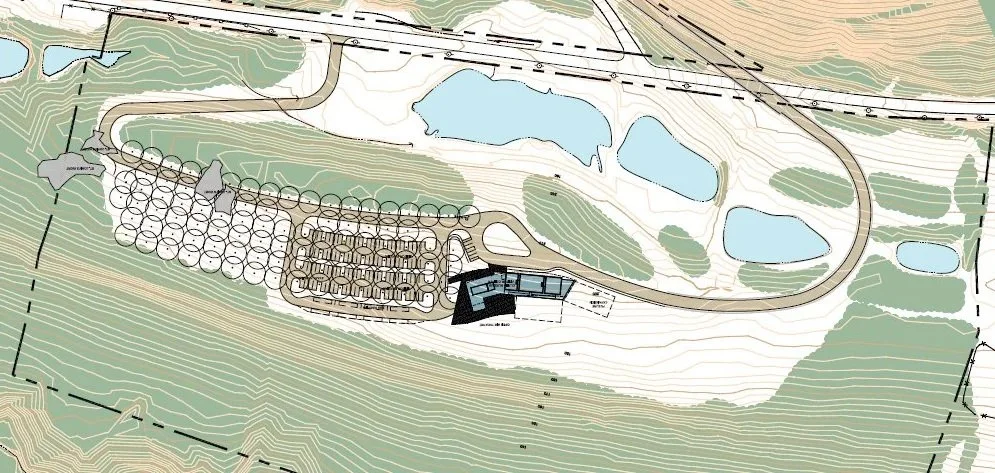
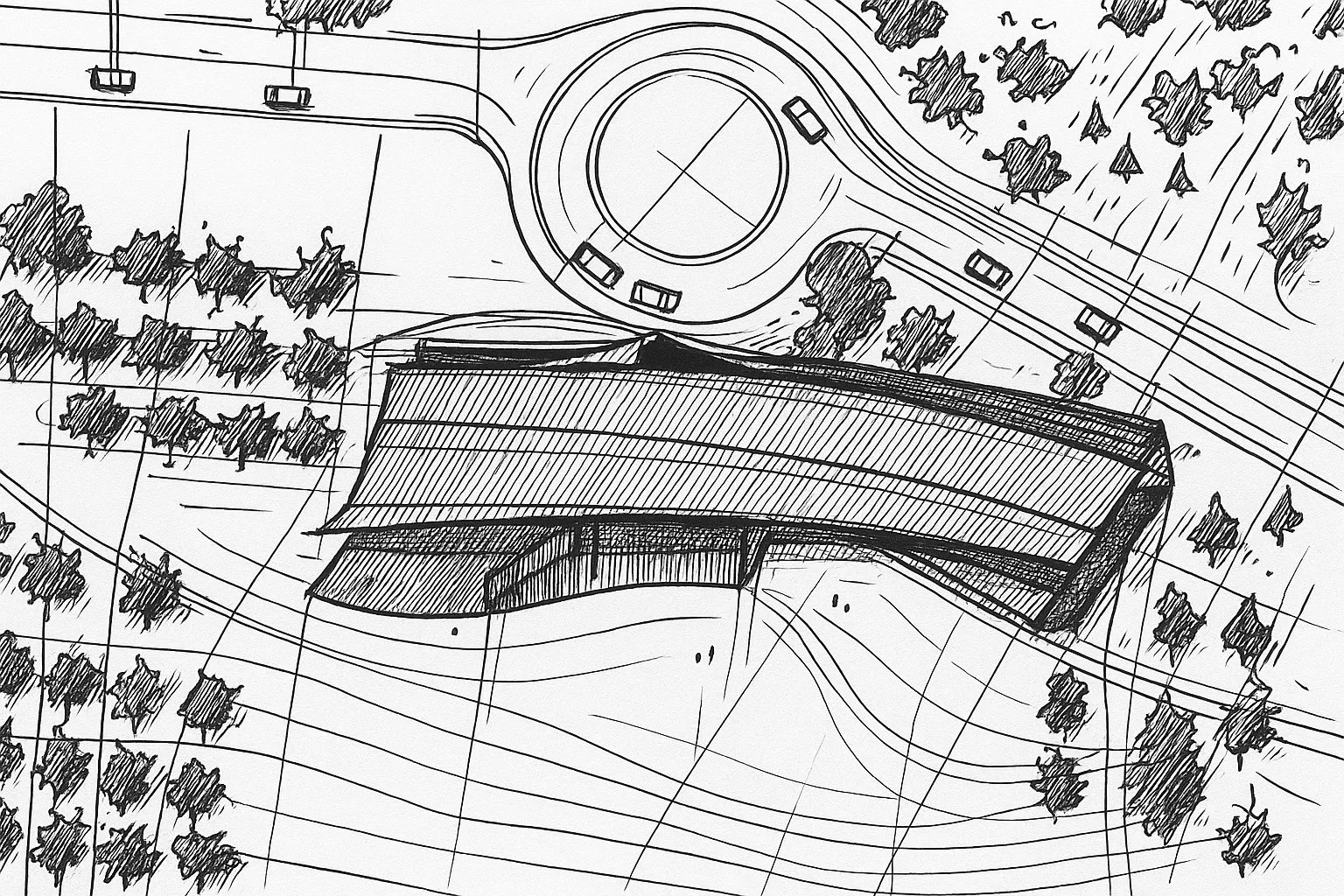
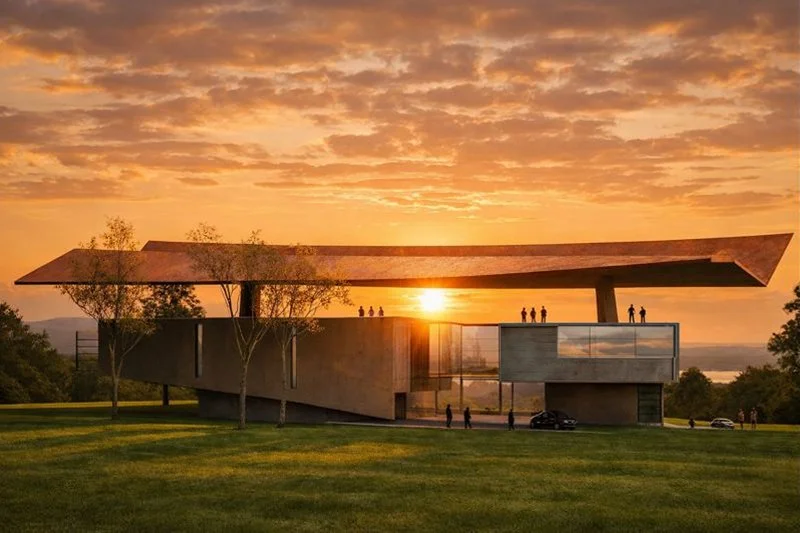
The proposed Museum and Visitor Center is sited below the historic estate on a prominent and spectacular natural promontory, maintaining clear visual and experiential connections to Olana above while opening expansive views toward the Hudson River and the surrounding valley. Like Olana itself, the project is conceived as an integrated response to art, landscape, and place. The architecture acts as an homage to Church—not through literal replication, but through a shared sensibility that frames nature as both subject and medium.
At approximately 4,600 square feet, the Visitor Center is designed to deepen the public’s connection to the Hudson Valley and to Olana’s cultural legacy. The program supports education, orientation, and engagement, while allowing for future growth. Spaces include ticketing and welcome areas, interpretive displays, a multipurpose room for lectures and community events, a café, restrooms, and back-of-house support. Outdoor terraces, parking, and a network of accessible paths extend the experience into the landscape, encouraging visitors to move fluidly between building, site, and view.
Deepening Public Engagement Through Architecture and Program
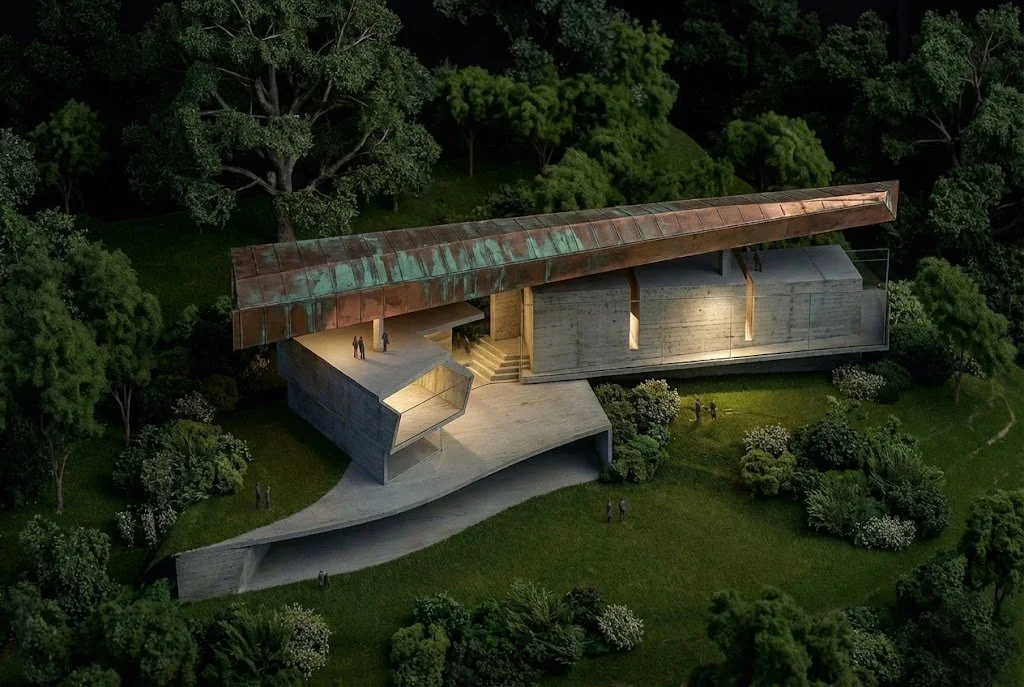
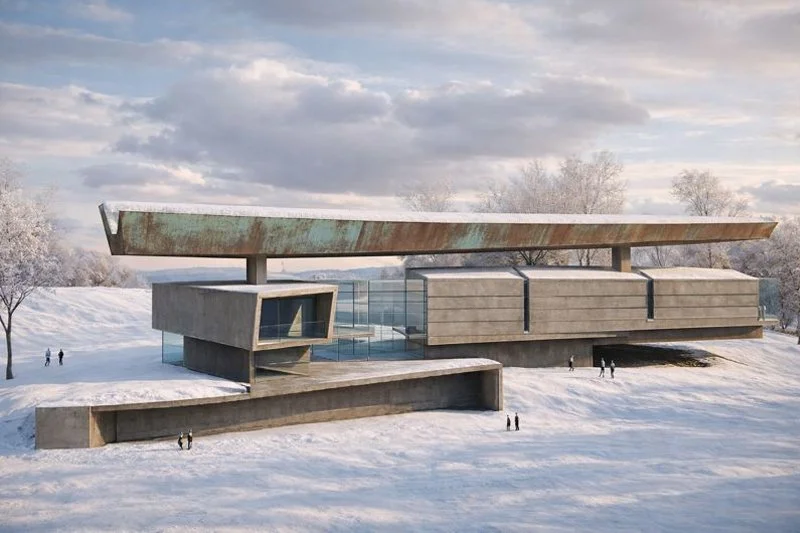
Architecturally, the building is defined by a bold, cantilevered roof that projects outward to frame sweeping vistas across the river and valley. This hovering plane establishes a sense of shelter and orientation while reinforcing the horizontal expanse of the landscape. The roof is clad in articulated paneling that gives texture and depth, while the primary structure is formed in poured-in-place concrete, grounding the building in the site and lending it a quiet permanence. Carefully placed glazing opens the interior to light and views, illuminating non-collection spaces and reinforcing a continuous dialogue between inside and outside.

Together, the Museum and Visitor Center seeks to extend Olana’s legacy as a place where art, architecture, and landscape are inseparable—inviting visitors not only to learn about Frederic Church and his work, but to experience the Hudson Valley through the same lens of wonder, composition, and care that shaped his life’s work.