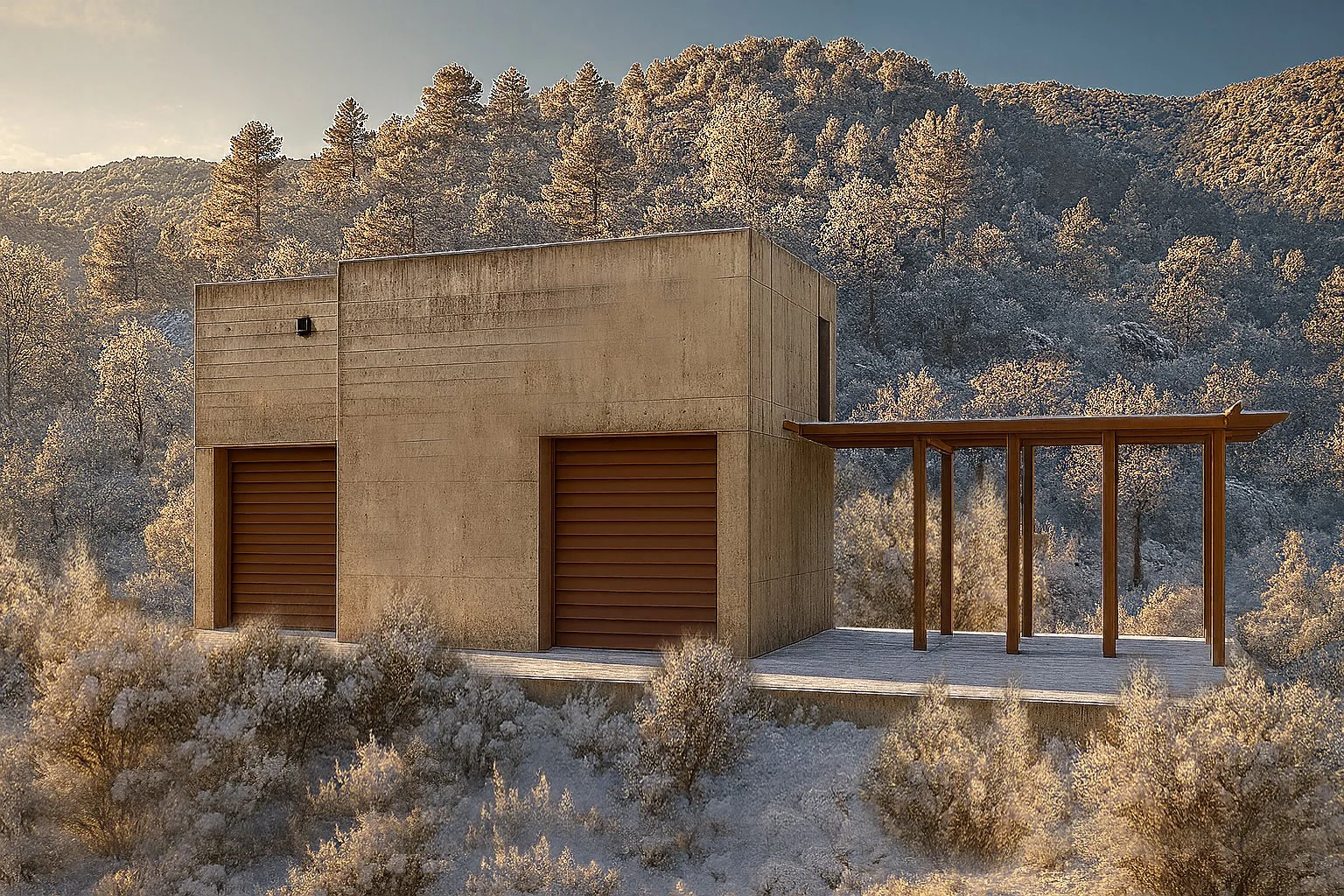
Atelier in the Remote Mountains of Languedoc
Tucked within the rugged wilderness of southern France, the Languedoc region embodies a haunting dialogue between nature, time, and architecture. Once a frontier between empires and faiths, its landscape is marked by medieval fortresses, Roman bridges, and stone villages clinging to terraced hillsides. The mountains here are not picturesque in a conventional sense—they are raw, windswept, and deeply historical, carrying the memory of centuries within their limestone cliffs and winding paths.
Languedoc’s medieval architecture—simple, monolithic, and often defensive—emerges directly from its terrain. Thick masonry walls, narrow apertures, and sloping roofs echo the region’s practical responses to climate, isolation, and conflict. Over time, these ancient forms have merged almost indistinguishably with the landscape, creating a seamless continuity between the built and natural worlds that feels timeless.
It was precisely this synthesis that drew Le Corbusier to the region. To him, Languedoc revealed an essential architectural truth: that structure must grow from landscape, and modernity must coexist with the primal forces of nature. He admired the clarity of its vernacular forms, their honesty of material, and the way sunlight sculpted even the humblest stone façade.
To establish an atelier here—within this geography of solitude and endurance—is both a retreat and a lineage. It places contemporary practice in a landscape where ruins coexist with regeneration, where architecture, history, and wilderness dissolve into one another. In Languedoc, building becomes not a proclamation, but a quiet conversation with time itself.
Project Size
1,000 sf
Location
Languedoc, France
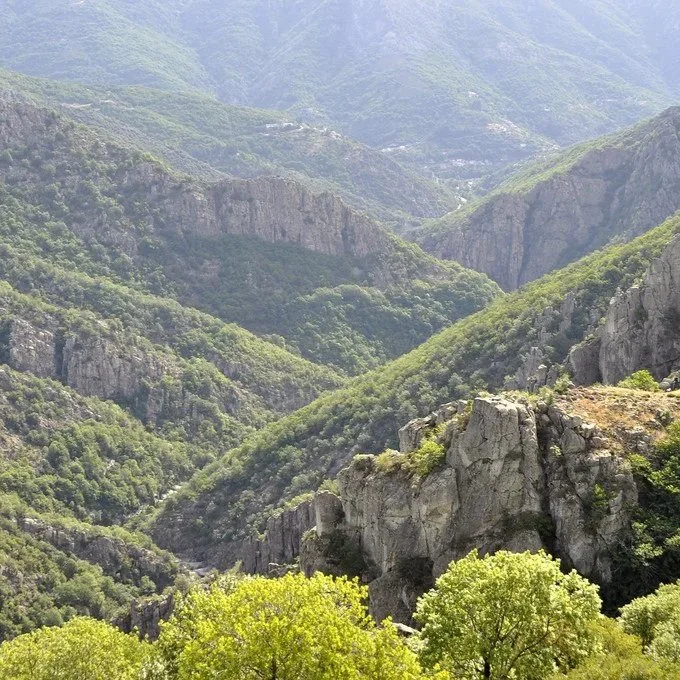
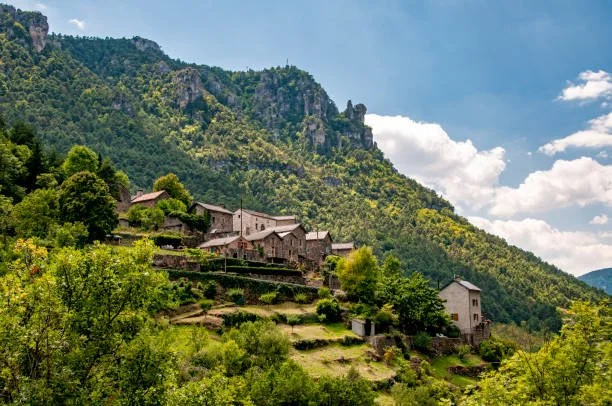
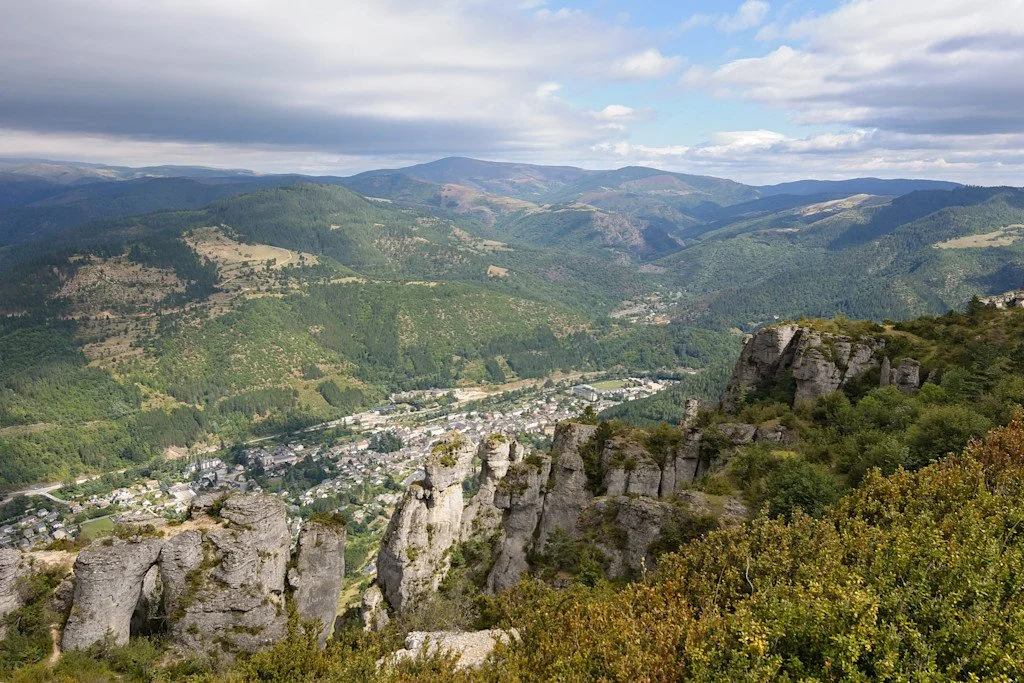
Suspended Above the Valley, Open to Every Horizon
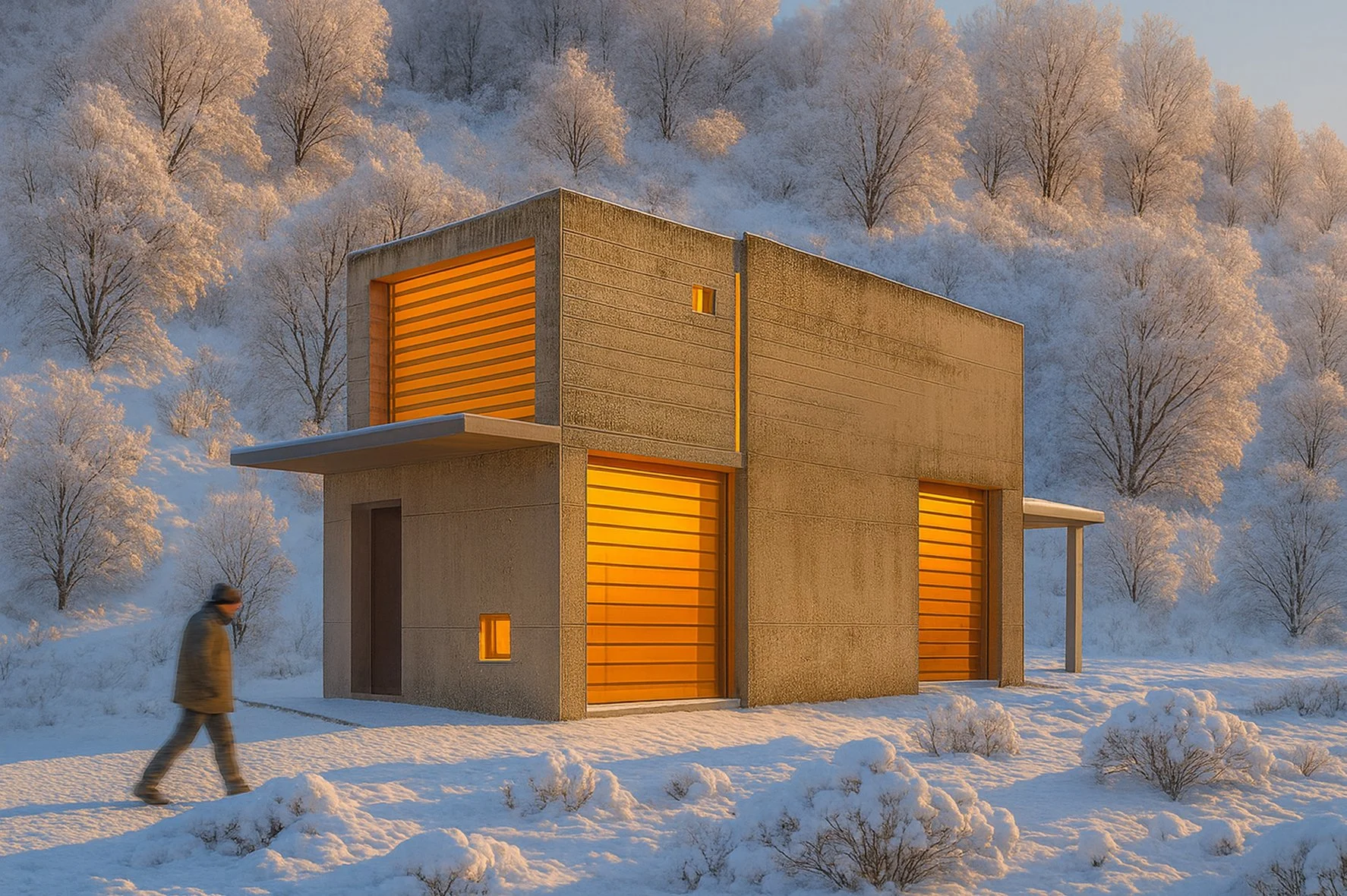
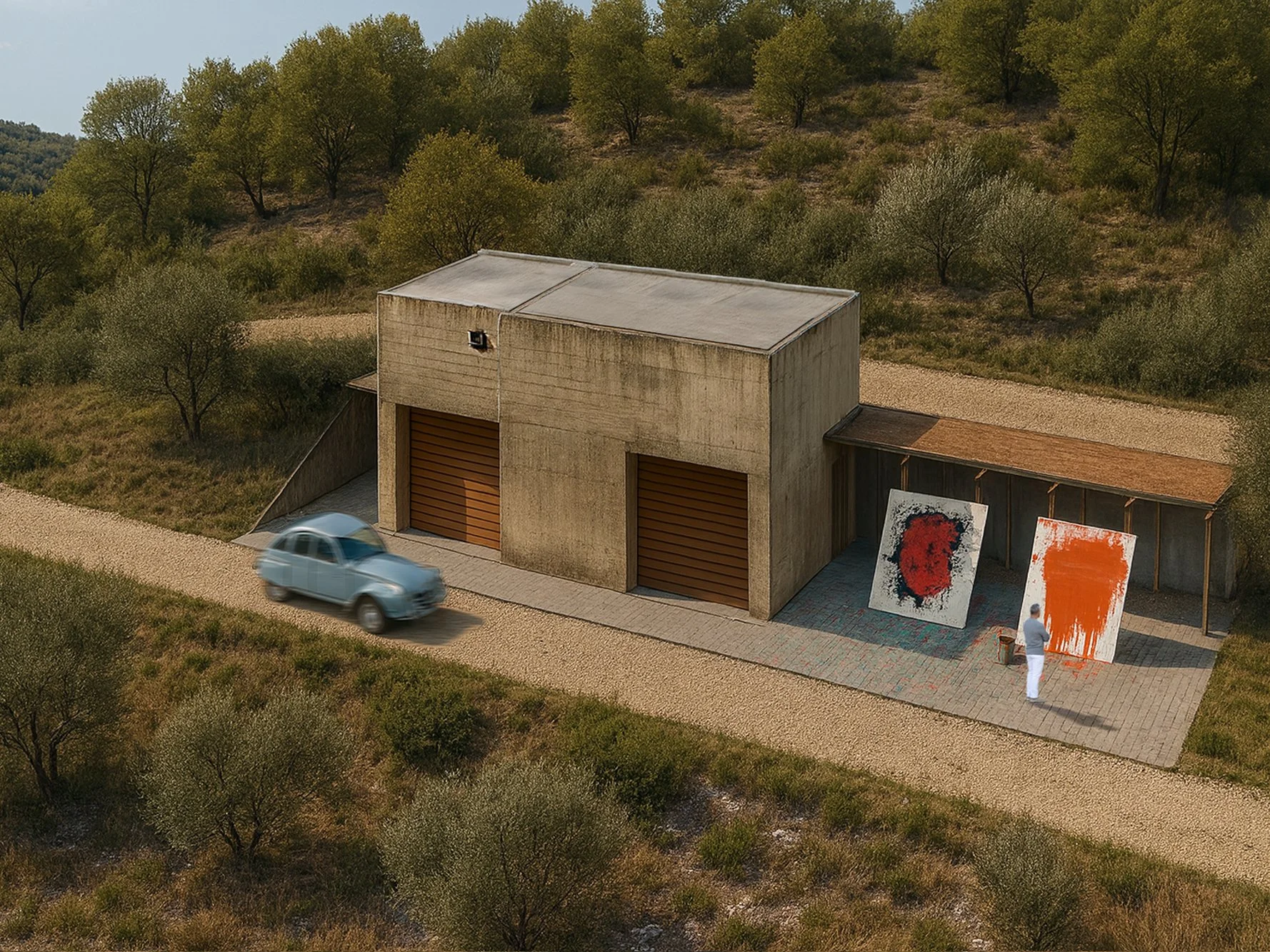
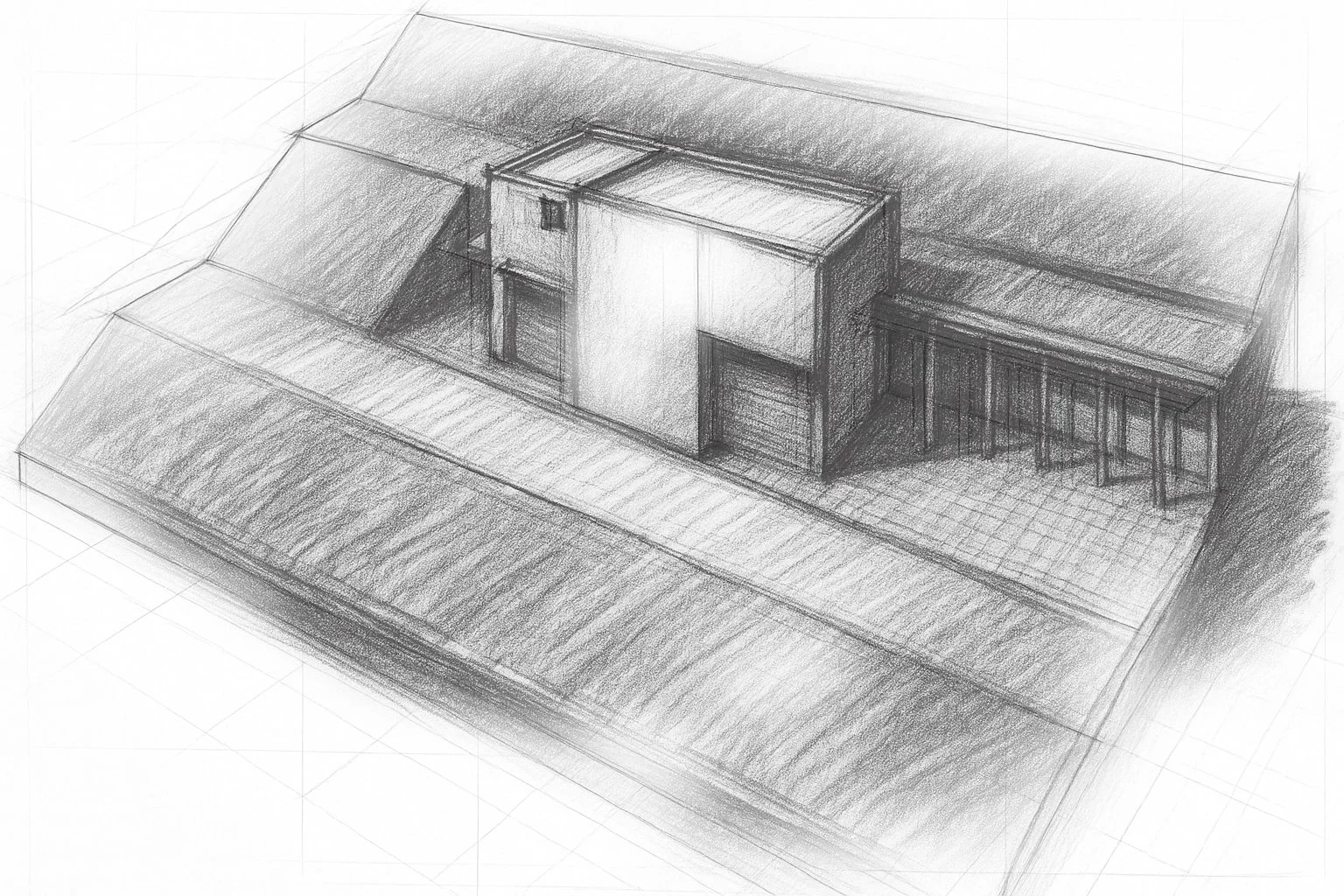
An artist commissioned the creation of a standalone atelier on his remote property in the Cévennes, perched in one of the most secluded corners of Languedoc. The pavilion sits roughly 100 meters from the main residence, nearly invisible within the terrain. Access is possible from both the ground level and from above, as the steeply sloping landscape allows a secondary entry connected to an upper guest room or office. A separate bedroom on the lower level faces away from the atelier, ensuring privacy for both the artist and visiting guests.
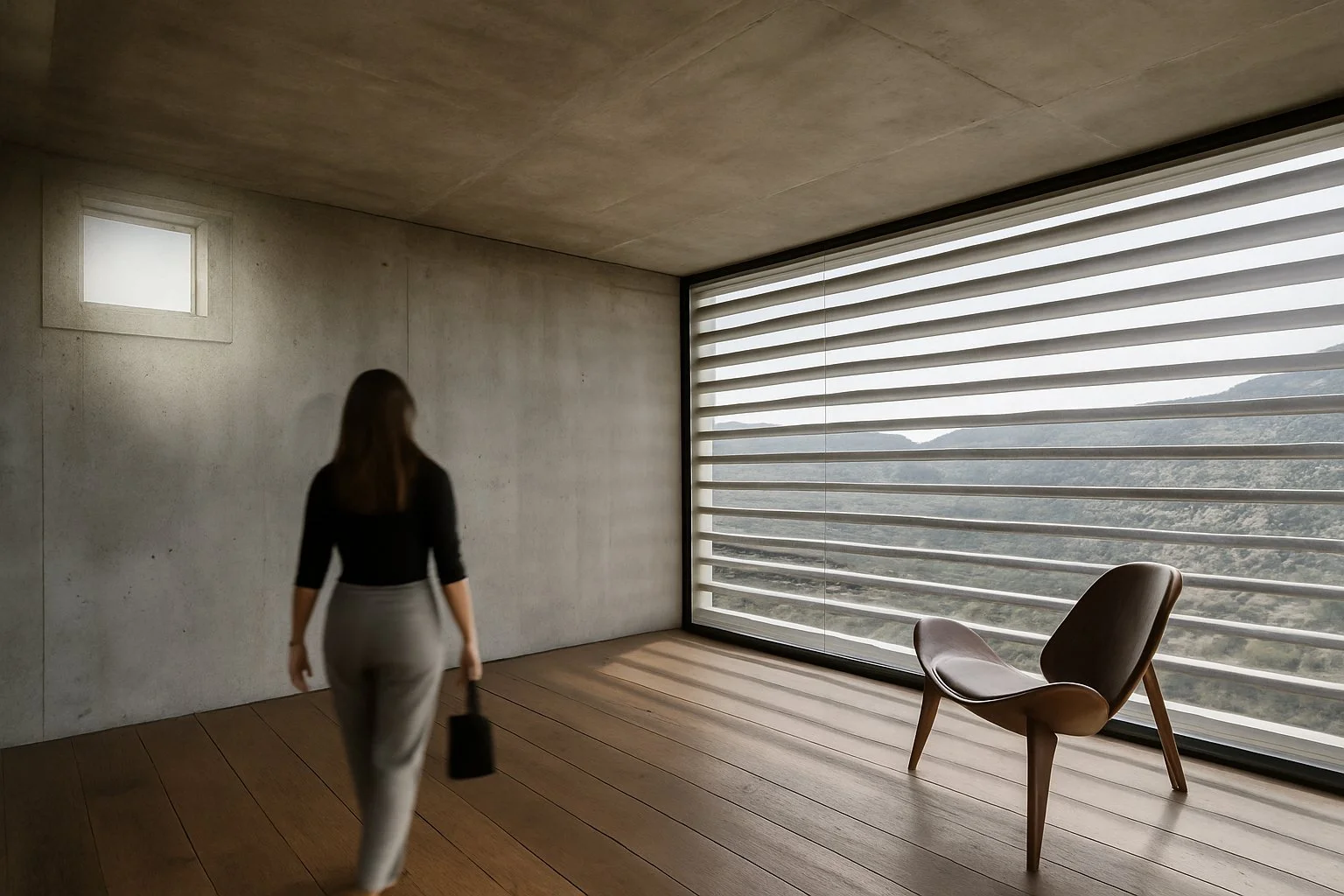
Inside, the architecture negotiates a balance between panoramic outward vision and the inward gaze required for creative concentration. Views are expansive, yet moments of introspection are carefully protected.
Scale: A Deliberate Ambiguity
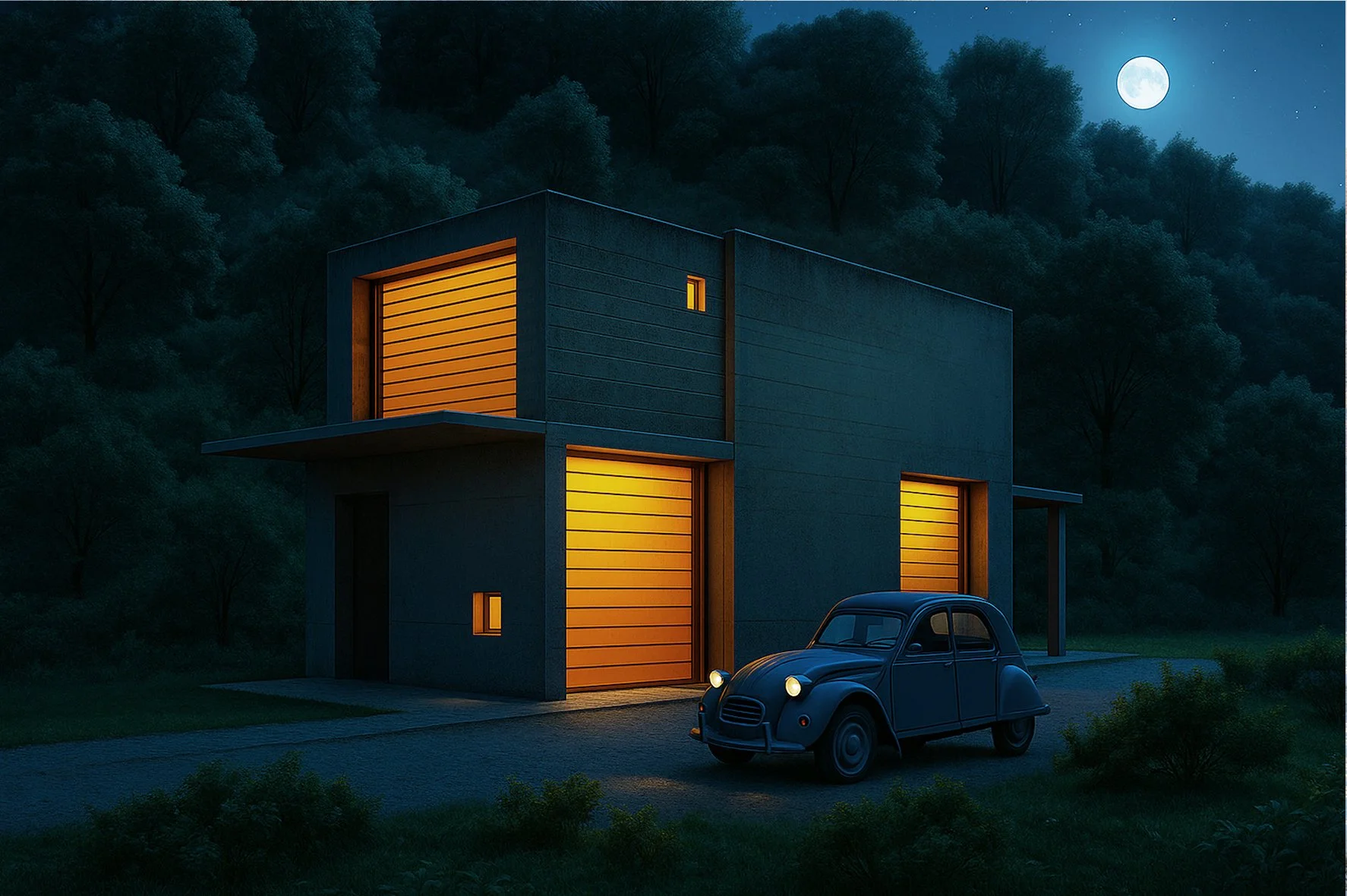
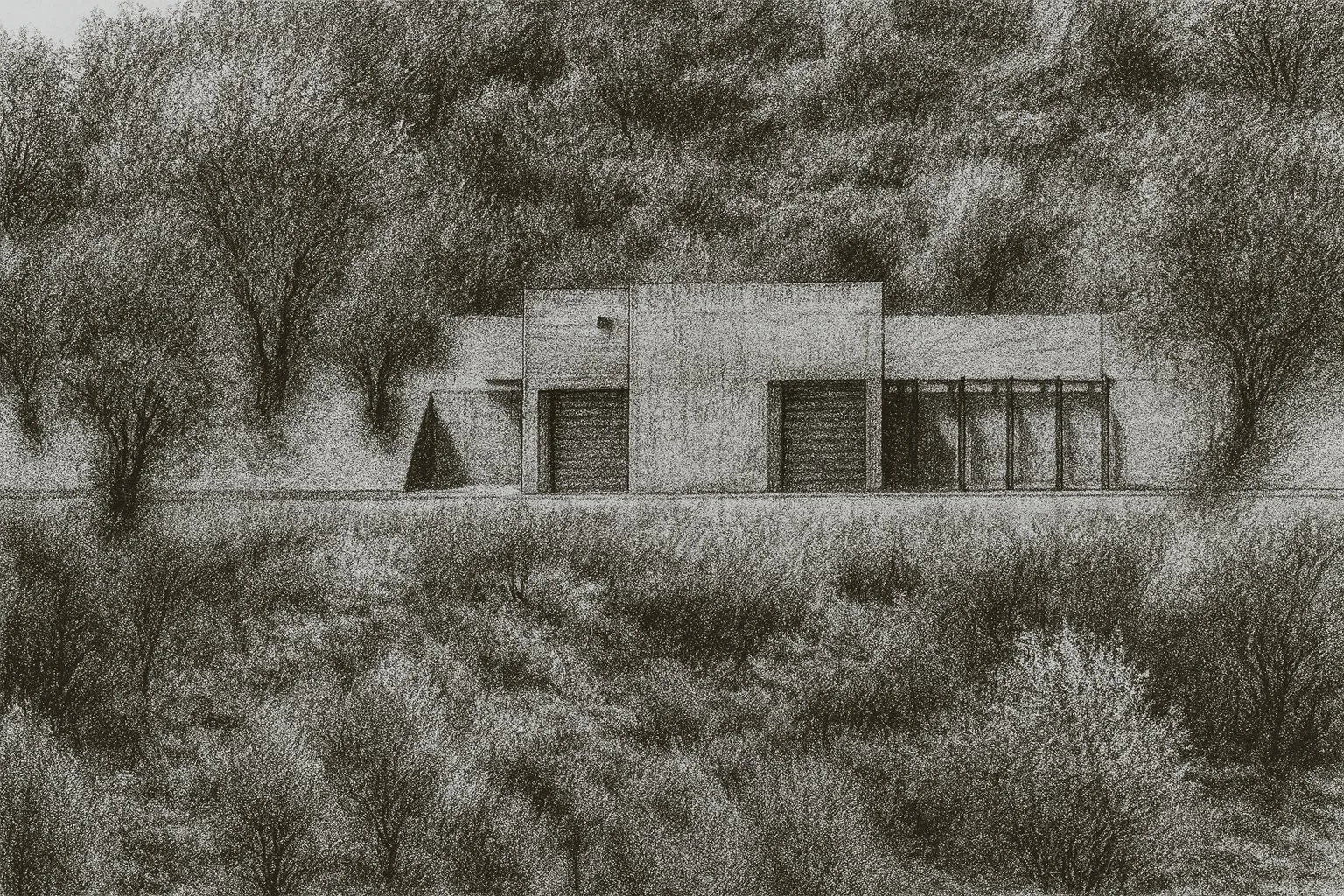
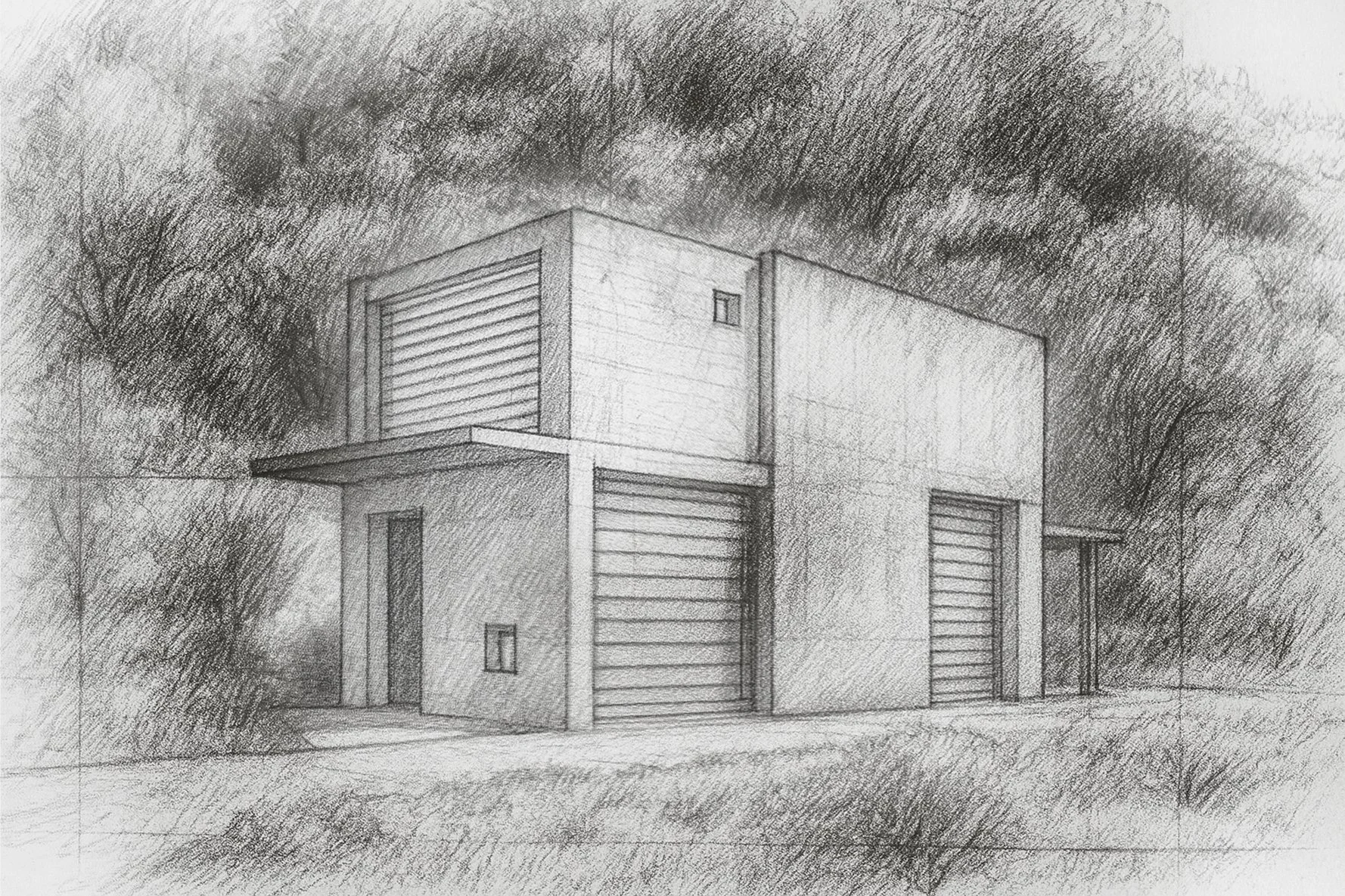
Conceptually, the building is designed to be intentionally elusive in scale. From a distance, its massing avoids the legibility of a conventional dwelling; proportions are calibrated so the eye cannot immediately determine size, hierarchy, or program. This ambiguity frees the pavilion from domestic association and positions it instead as a sculptural artifact—an object whose presence is felt before it is understood.
The goal was to create a volume that sits in dialogue with the landscape rather than simply occupying it. Rooflines extend without revealing their true height, apertures are controlled to obscure the interior depth, and surfaces shift subtly in light, making the pavilion appear alternately compact or expansive depending on time of day and vantage point.
In this way, the building becomes mysterious, ageless, and quietly monumental—something discovered rather than recognized. The atelier aspires to span time rather than reflect a particular architectural era. Its form could plausibly belong to a forgotten past, an experimental present, or a distant future. This temporal ambiguity allows it to exist within the wilderness not as an imposition, but as a timeless object participating in the long continuum of the landscape.
Scale: A Deliberate Ambiguity
Conceptually, the building is designed to be intentionally elusive in scale. From a distance, its massing avoids the legibility of a conventional dwelling; proportions are calibrated so the eye cannot immediately determine size, hierarchy, or program. This ambiguity frees the pavilion from domestic association and positions it instead as a sculptural artifact—an object whose presence is felt before it is understood.
The goal was to create a volume that sits in dialogue with the landscape rather than simply occupying it. Rooflines extend without revealing their true height, apertures are controlled to obscure the interior depth, and surfaces shift subtly in light, making the pavilion appear alternately compact or expansive depending on time of day and vantage point.
In this way, the building becomes mysterious, ageless, and quietly monumental—something discovered rather than recognized. The atelier aspires to span time rather than reflect a particular architectural era. Its form could plausibly belong to a forgotten past, an experimental present, or a distant future. This temporal ambiguity allows it to exist within the wilderness not as an imposition, but as a timeless object participating in the long continuum of the landscape.

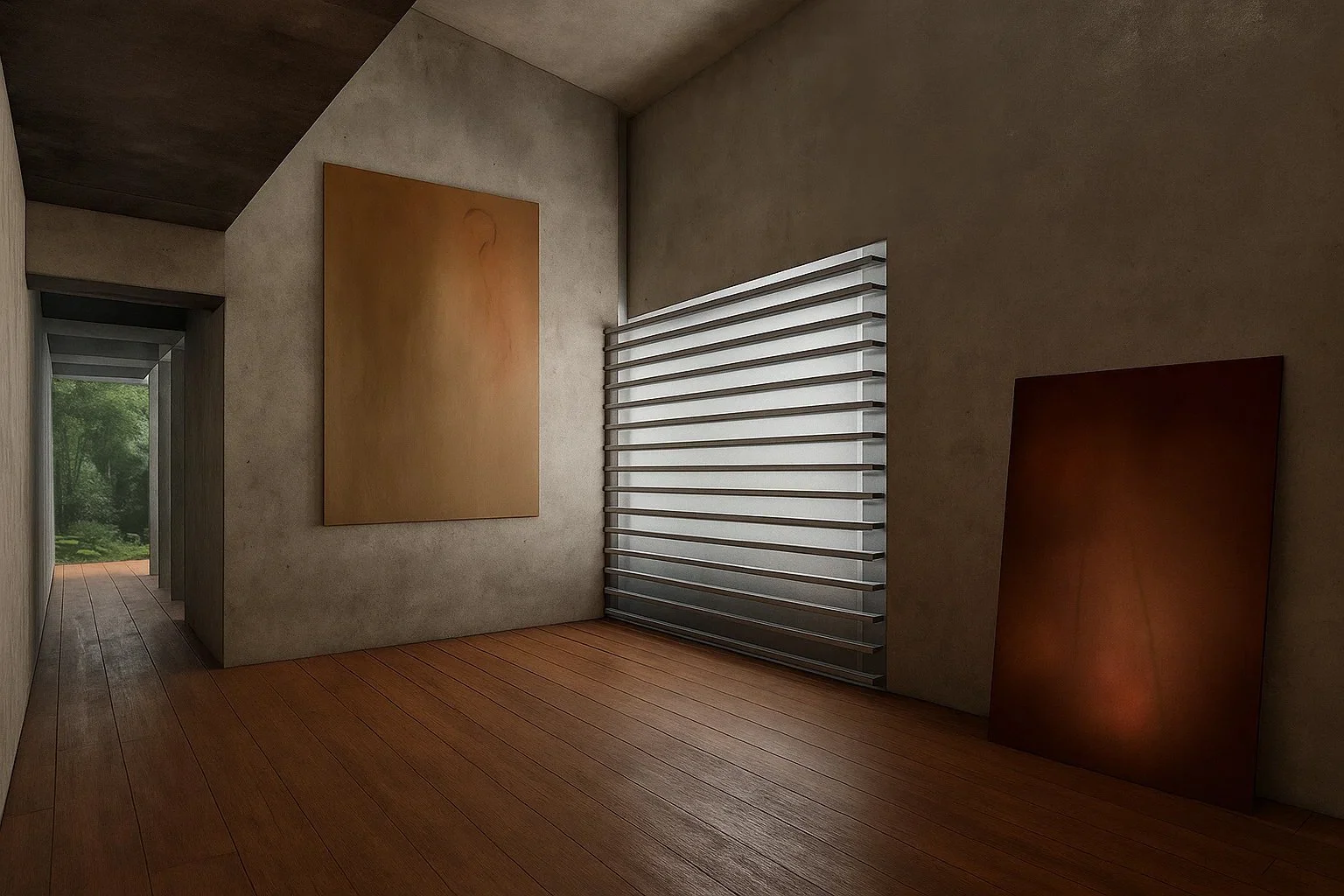
Embracing the Landscape
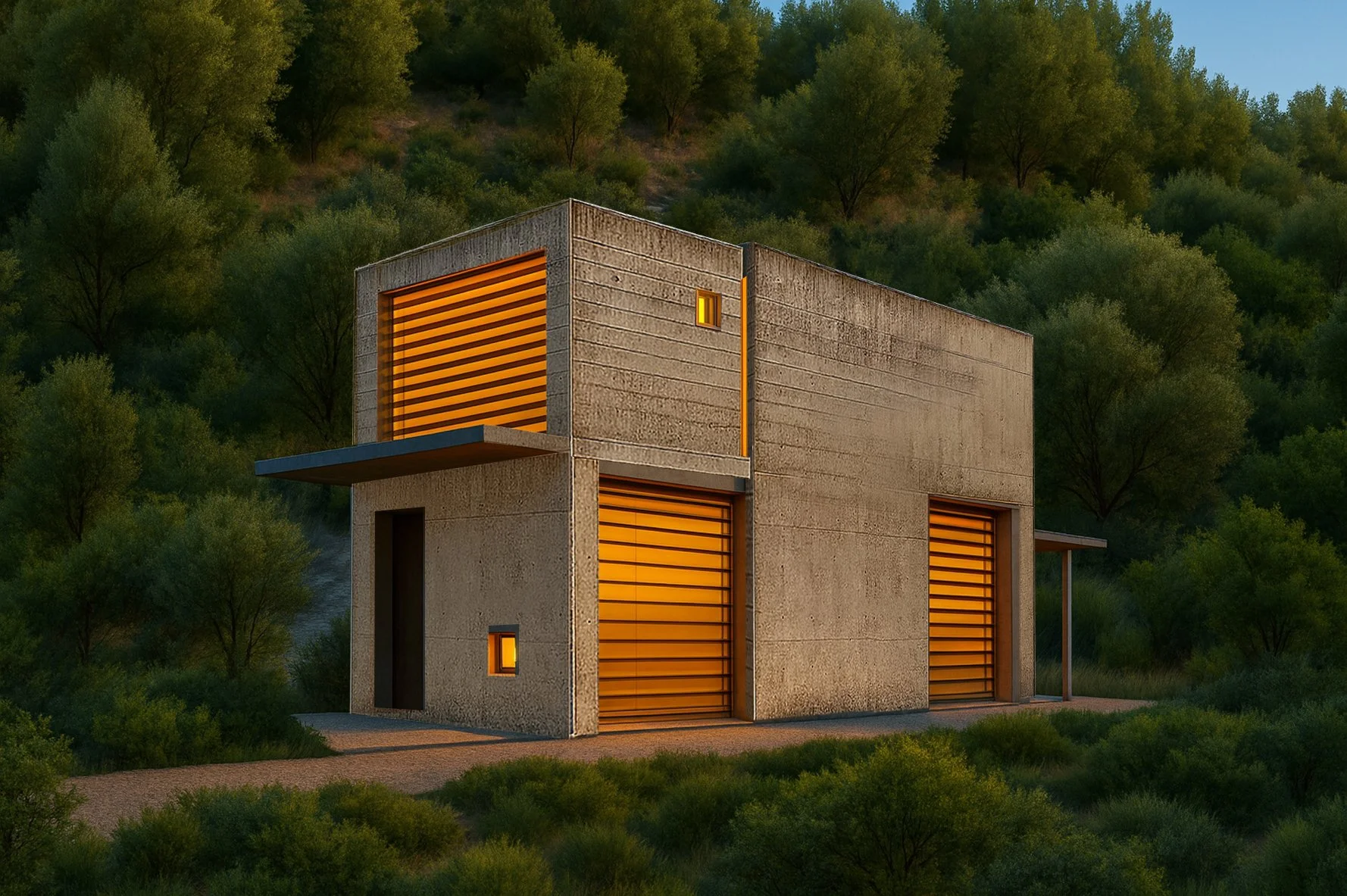
With sweeping views of the dramatic mountain terrain, the architecture dissolves the threshold between interior and exterior. Large pivoting doors, deep terraces, and precisely framed vistas ensure the surrounding ridges and valleys remain an active presence. Daily occupation becomes a sustained dialogue with the environment.
While the atelier sits lightly within the landscape, the residence embodies a more fortress-like protectiveness—responding to snow, wind, and searing sun with confident mass and material resilience. Poured-in-place concrete walls, sheltered glazing, and operable louvers create a robust envelope that accommodates openness when desired, yet offers refuge when the mountain climate demands it.